
A Conservative, Thoughtful Approach to Spine Care
Back and neck pain are among the most common medical conditions. While many patients worry that surgery may be inevitable, the reality is that most spine conditions can be effectively treated without surgery.
In fact, the majority of patients experience meaningful improvement with non-surgical treatments, particularly when care is started early and guided appropriately.
Dr. Shlykov believes that spine surgery should be reserved for situations where it is clearly necessary and likely to provide meaningful benefit. For many patients, a structured, non-operative treatment plan can provide excellent relief and restore function.
Why Start with Non-Surgical Treatment?
Non-surgical care focuses on:
- Reducing inflammation
- Relieving nerve irritation
- Improving strength and mobility
- Addressing the underlying cause of pain
In many cases, these treatments allow patients to avoid surgery entirely or delay it until it is truly needed.
Common Non-Surgical Treatment Options
Physical Therapy
Physical therapy is often the foundation of spine care.
A structured program may include:
- Core strengthening
- Flexibility and mobility exercises
- Postural training
- Body mechanics education
Physical therapy helps improve spinal stability, reduce pain, and prevent recurrence.
Medications
Medications may be used to help control pain and inflammation, including:
- Non-steroidal anti-inflammatory drugs (NSAIDs)
- Muscle relaxants
- Nerve pain medications
These treatments can provide symptom relief while the body heals, but are typically used as part of a broader treatment plan.
Spinal Injections
Spinal injections are commonly used to reduce inflammation and relieve pain, particularly when symptoms are caused by nerve irritation.
Types of injections include:
- Epidural steroid injections for nerve-related pain (sciatica or radiculopathy)
- Facet joint injections for arthritis-related pain
- Sacroiliac (SI) joint injections for lower back and pelvic pain
- Trigger point injections for muscle tension and spasms
- Occipital nerve blocks for pain at the base of the skull
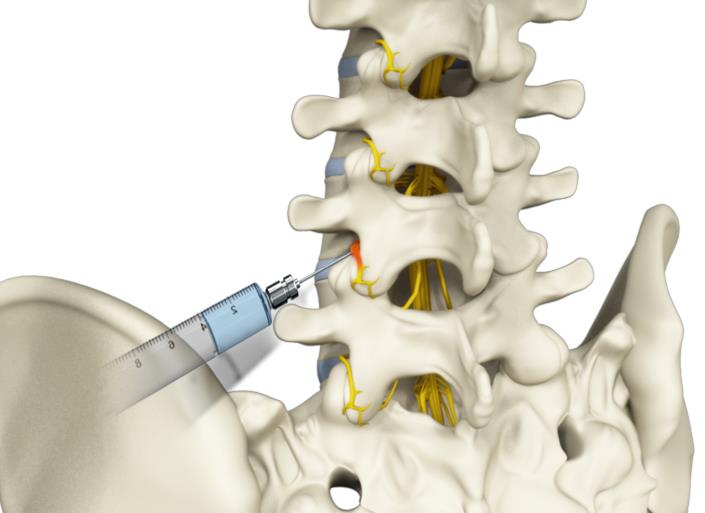
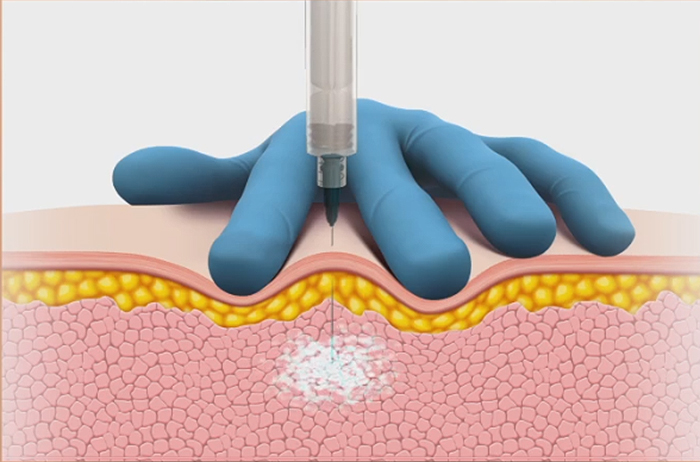
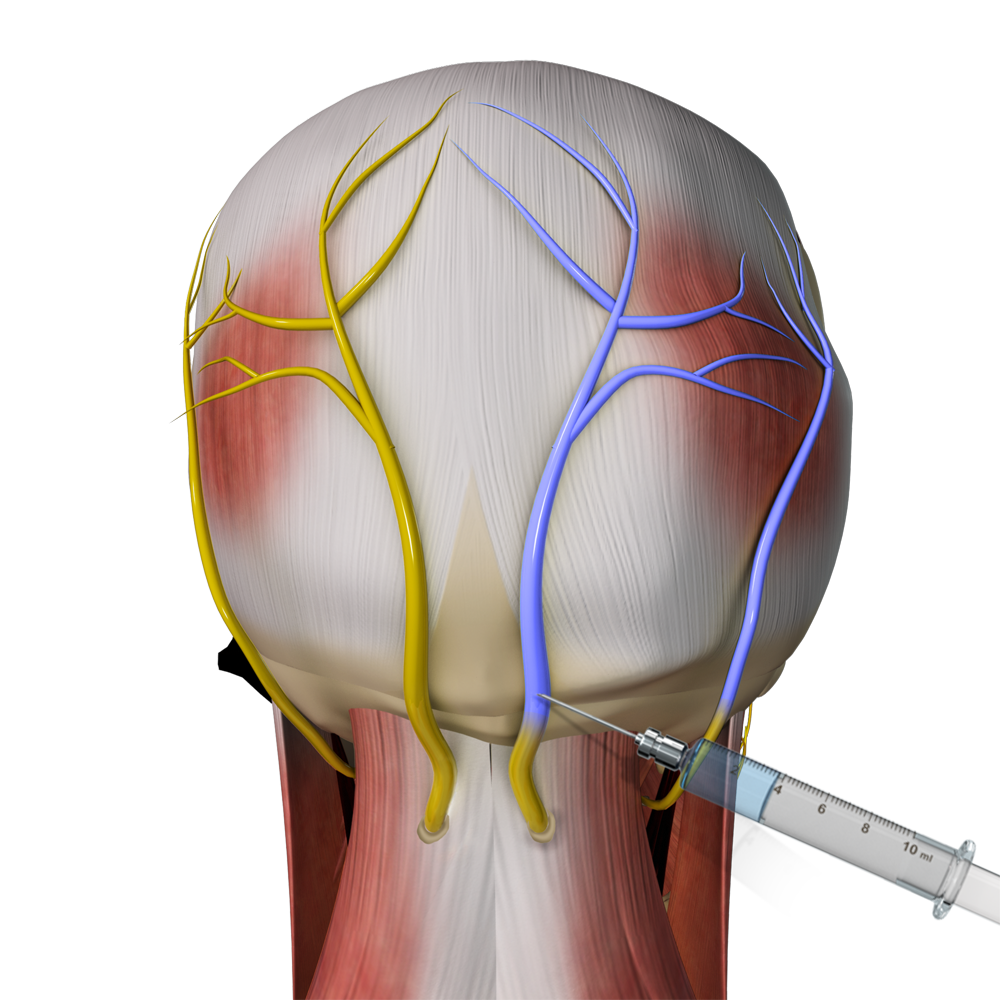
These procedures are performed under imaging guidance to ensure accuracy and can provide both diagnostic information and therapeutic relief.
Activity Modification and Lifestyle Changes
Simple changes in daily activity can significantly improve symptoms:
- Avoiding aggravating movements
- Improving posture and ergonomics
- Gradual return to activity
Weight management and regular low-impact exercise can also reduce strain on the spine.
Heat, Ice, and Supportive Therapies
- Ice therapy can help reduce inflammation, particularly after acute injury
- Heat therapy can improve blood flow and reduce muscle stiffness
- Alternating heat and ice may provide additional relief
Supportive treatments such as massage or manual therapy may also be beneficial in select patients.
Acupuncture and Complementary Therapies
Some patients benefit from complementary treatments such as acupuncture, which may help:
- Reduce pain perception
- Improve muscle relaxation
- Stimulate the body’s natural healing response
These therapies are often used as part of a comprehensive treatment plan.
When Non-Surgical Treatment Is Not Enough
While many patients improve with conservative care, surgery may be recommended when:
- Symptoms persist despite appropriate treatment
- There is significant nerve compression
- Progressive weakness or neurological symptoms develop
- There is spinal instability or deformity
The goal is always to pursue the least invasive, most effective treatment for your specific condition.
A Personalized Treatment Plan
Every patient’s condition is unique. Dr. Shlykov develops an individualized treatment plan based on:
- Your diagnosis
- Severity of symptoms
- Imaging findings
- Response to prior treatments
- Your lifestyle and goals
Many patients benefit from a combination of therapies, rather than a single treatment approach.
Summary
Most patients with back or neck pain can be successfully treated without surgery. Non-surgical treatments such as physical therapy, medications, spinal injections, and lifestyle modifications can provide significant relief and improve function. Surgery is typically reserved for patients with persistent symptoms, nerve compression, or spinal instability. A thoughtful, individualized approach helps ensure that each patient receives the most appropriate and effective care.
Not Sure If You’ve Exhausted Non-Surgical Options?
If you are still experiencing pain—or have been told you may need spine surgery—it can be difficult to know whether all appropriate non-surgical treatments have been explored.
Dr. Shlykov can help you determine the most appropriate next step. Through a comprehensive evaluation, he will review your symptoms, imaging, and prior treatments to ensure that all reasonable options have been considered.
Whether you are early in your treatment or considering surgery, the goal is to help you move forward with clarity, confidence, and the best possible outcome.
Schedule a consultation or Second Opinion to learn more about your options.