
A Proven Procedure to Relieve Neck and Arm Pain
Anterior cervical discectomy and fusion (ACDF) is one of the most commonly performed spine surgeries used to treat pinched nerves and spinal cord compression in the neck.
This procedure is designed to relieve pressure on the nerves and stabilize the spine, helping patients return to normal function and daily activities.
Understanding the Problem
The cervical spine (neck) is made up of vertebrae separated by intervertebral discs that act as cushions and allow smooth movement.
Each disc consists of:
- A soft inner core (nucleus pulposus)
- A strong outer ring (annulus fibrosus)
Over time, these discs can become damaged due to aging, wear and tear, or injury.
Common causes of nerve or spinal cord compression include:
- Herniated discs
- Bone spurs (osteophytes)
- Degenerative disc disease
When these structures compress nearby nerves or the spinal cord, patients may experience:
- Neck pain
- Arm pain (radiculopathy)
- Numbness or tingling in the arms or hands
- Weakness
- In more severe cases, difficulty with balance or coordination
Because the spinal cord runs through the cervical spine, compression in this region can significantly affect function throughout the body.
What Is ACDF?
Anterior cervical discectomy and fusion (ACDF) is a surgical procedure that:
- Removes the damaged disc or bone spurs causing nerve or spinal cord compression
- Relieves pressure on the nerves or spinal cord
- Stabilizes the spine by fusing two adjacent vertebrae together
The procedure is performed through a small incision in the front (anterior) of the neck, allowing safe and direct access to the spine.
When Is ACDF Recommended?
ACDF is typically considered when:
- Symptoms persist despite non-surgical treatment
- There is significant nerve compression causing pain, weakness, or numbness
- There is spinal cord compression (cervical myelopathy)
- Imaging findings correlate with symptoms
Non-surgical treatments may include:
- Physical therapy
- Medications
- Activity modification
- Injections
Surgery is recommended only when it is likely to provide meaningful improvement in symptoms and function.
How the Procedure Is Performed?
During ACDF:
- A small incision is made in the front of the neck
- The affected disc is carefully removed
- Any bone spurs or structures compressing the nerves are removed
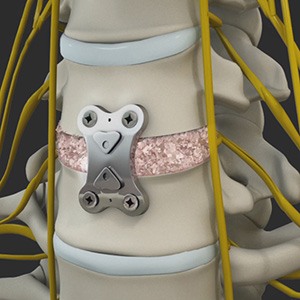
- A spacer (bone graft, plastic or metal implant) is placed in the disc space
- A small plate and screws may be used to provide stability
Over time, the bones grow together (fusion), creating a stable segment of the spine.
Benefits of ACDF
ACDF is a highly effective procedure for appropriately selected patients.
Potential benefits include:
- Relief of arm pain (often rapid)
- Improvement in numbness and weakness
- Stabilization of the spine
- Prevention of further neurological decline
Many patients experience significant improvement in quality of life following surgery.
Recovery After ACDF
Recovery varies depending on the individual and number of levels treated, but general expectations include:
- Same-day or next-day discharge in many cases
- Walking the day of or after surgery
- Gradual return to normal activities
Typical recovery timeline:
- Light activities: within days to weeks
- Return to work: often 2–6 weeks depending on job demands
- Fusion healing: occurs gradually over several months
Physical therapy may be recommended to support recovery.
Detailed recovery guidelines and restrictions are provided separately based on your specific procedure.
Risks and Considerations
As with any surgery, ACDF carries potential risks, including:
- Infection
- Bleeding
- Nerve injury
- Difficulty swallowing (usually temporary)
- Hoarseness (typically temporary)
- Failure of fusion (nonunion or pseudarthrosis)
- Adjacent segment degeneration over time
Dr. Shlykov takes every precaution to minimize risks and optimize outcomes, and will review these in detail prior to surgery.
Alternatives to ACDF
Depending on your condition, alternative treatments may include:
- Continued non-surgical care
- Cervical disc replacement (motion-preserving alternative in select patients)
- Posterior cervical procedures
The most appropriate treatment depends on your specific diagnosis, anatomy, and goals.
Summary
Anterior cervical discectomy and fusion (ACDF) is a well-established and highly effective procedure used to treat nerve and spinal cord compression in the neck. By removing the source of compression and stabilizing the spine, ACDF can significantly improve pain, neurological function, and quality of life. Careful patient selection and a personalized treatment plan are essential to achieving the best possible outcome.
Considering ACDF Surgery?
If you have been diagnosed with a cervical disc problem or are experiencing persistent neck or arm symptoms, a consultation can help determine whether surgery is appropriate.
Dr. Shlykov will review your imaging and develop a personalized treatment plan tailored to your goals.
Schedule a consultation or Second Opinion to learn more about your options.