
Restoring Disc Height, Alignment, and Stability in the Lower Back
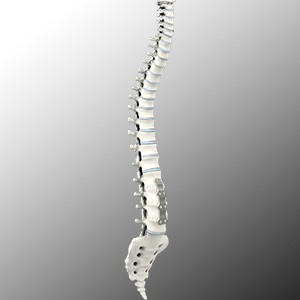
Anterior lumbar interbody fusion (ALIF) is a surgical procedure used to treat conditions of the lower spine by removing a damaged disc and fusing the vertebrae together through an anterior (front) approach.
By approaching the spine from the abdomen, ALIF allows for direct access to the disc space, enabling restoration of disc height, improvement in spinal alignment, and creation of a strong fusion.
Understanding the Problem
The lumbar spine supports body weight and allows movement such as bending and twisting.
Over time, certain conditions can affect the discs and stability of the spine:
- Degenerative disc disease
- Spondylolisthesis (vertebral slippage)
- Recurrent disc herniation
- Spinal deformity
- Segmental instability
These conditions may lead to:
- Lower back pain
- Leg pain (sciatica)
- Numbness or tingling
- Weakness
- Difficulty with standing or walking
When the disc becomes severely damaged or unstable, fusion may be recommended.
What Is ALIF?
Anterior lumbar interbody fusion (ALIF) is a procedure that:
- Removes the damaged intervertebral disc
- Places an interbody implant (cage) into the disc space
- Uses bone graft to promote fusion between vertebrae
The procedure is performed through an incision in the abdomen, allowing access to the spine without moving the back muscles.
Key Advantages of the Anterior Approach
Approaching the spine from the front offers several important advantages:
- Avoids disruption of back muscles
- Allows placement of a larger interbody implant
- Restores disc height and spinal alignment effectively
- Indirectly decompresses nerves by opening space for them
- Provides a large surface area for fusion, which may improve fusion success
These features make ALIF particularly useful in selected patients.
When Is ALIF Recommended?
ALIF may be recommended when:
- There is disc degeneration causing back pain
- Spondylolisthesis is present
- There is disc space collapse
- Restoration of alignment (lordosis) is needed
- There is recurrent disc herniation
- Fusion is required at L4-5 or L5-S1 levels
ALIF is often used when the goal is to restore disc height and alignment while achieving a strong fusion.
How the Procedure Is Performed
During ALIF:
- An incision is made in the abdomen
- The abdominal structures and blood vessels are carefully moved aside
- The spine is accessed directly from the front
- The damaged disc is removed
- A large interbody cage filled with bone graft is placed
- In some cases, screws or a plate are used for additional stability
In certain situations, ALIF may be combined with posterior instrumentation (screws and rods) for additional support.
ALIF vs Posterior Lumbar Fusion (Including TLIF)
Both ALIF and posterior fusion techniques aim to stabilize the spine and relieve symptoms, but they differ in approach and mechanics.
ALIF
- Accesses the spine from the front
- Allows placement of a larger cage
- Provides excellent restoration of disc height and lordosis
- Offers a large fusion surface area
- Avoids back muscle disruption
Posterior Fusion (with or without TLIF)
- Performed from the back
- Allows direct nerve decompression
- May include TLIF to add interbody support
- Provides stabilization with screws and rods
Key Takeaway
- ALIF is often preferred when alignment restoration and disc height are priorities
- Posterior fusion (with or without TLIF) is often preferred when direct decompression or posterior access is needed
In some cases, both approaches are combined to optimize outcomes.
Benefits of ALIF
Potential benefits include:
- Restoration of disc height
- Improvement in spinal alignment
- Increased fusion surface area
- Relief of back and leg pain
- Preservation of posterior muscles
- Strong structural support
In appropriately selected patients, ALIF can significantly improve pain, function, and posture.
Recovery After ALIF
Recovery varies depending on the individual and whether additional posterior surgery is performed.
General expectations include:
- Hospital stay of 1–3 days
- Early mobilization and walking
- Gradual return to activity
Typical timeline:
- Light activity: within weeks
- Return to work: 4–12 weeks depending on job
- Fusion healing: several months
Detailed recovery instructions are tailored to your specific procedure.
Risks and Complications
As with any surgery, ALIF carries potential risks, including:
- Infection
- Bleeding
- Nerve injury
- Injury to blood vessels
- Injury to abdominal structures
- Retrograde ejaculation in men (rare but important risk)
- Failure of fusion (pseudarthrosis)
- Hardware complications
Dr. Shlykov will review these risks in detail and tailor the surgical plan accordingly.
When Is Fusion Necessary?
Fusion is typically recommended when:
- There is instability or abnormal motion
- Disc degeneration is causing significant symptoms
- Alignment needs to be restored
- Decompression alone would not address the underlying problem
Summary
Anterior lumbar interbody fusion (ALIF) is a powerful surgical technique used to restore disc height, improve spinal alignment, and achieve a strong fusion in the lower back. By approaching the spine from the front, ALIF allows placement of a large interbody implant and creates a substantial fusion surface area. In appropriately selected patients, ALIF provides durable relief of symptoms and improved spinal stability. The choice between ALIF and posterior fusion techniques depends on individual anatomy, pathology, and surgical goals.
Considering ALIF?
If you have been diagnosed with degenerative disc disease, spondylolisthesis, or spinal instability, a consultation can help determine whether ALIF or another procedure is appropriate.
Dr. Shlykov will review your imaging and develop a personalized treatment plan tailored to your condition and goals.
Schedule a consultation or Second Opinion to learn more about your options.