

What Is Cervical Disc Replacement?
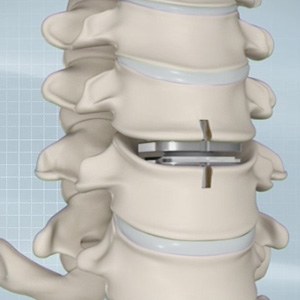
The cervical spine is located in the neck and consists of seven vertebrae separated by intervertebral discs. These discs act as cushions, help absorb shock, and allow normal neck motion.
With aging, wear and tear, or injury, a cervical disc can become damaged or herniated. Bone spurs may also develop. These changes can compress a nerve root or the spinal cord and lead to symptoms such as:
- Neck pain
- Arm pain
- Numbness or tingling in the arm or hand
- Weakness
- In some cases, difficulty with balance or coordination
Cervical disc replacement, also called cervical disc arthroplasty, is a procedure in which the damaged disc is removed and replaced with an artificial disc. The goal is to relieve pressure on the nerves or spinal cord while preserving motion at that level of the spine.
When Is Cervical Disc Replacement Considered?
Cervical disc replacement is typically considered in carefully selected patients who have:
- Persistent symptoms despite appropriate non-surgical treatment
- A symptomatic cervical disc causing nerve root or spinal cord compression
- Neck pain with associated arm pain, numbness, or weakness
- One-level or, in some cases, two-level disease
It is not the best option for every patient. In general, disc replacement is less suitable when there is significant instability, advanced facet joint arthritis, marked deformity, poor bone quality, or other factors that make fusion a more reliable option. The best procedure depends on the patient’s anatomy, imaging findings, and treatment goals.
How the Procedure Is Performed
Cervical disc replacement is performed under general anesthesia. The surgeon approaches the cervical spine through a small incision in the front of the neck, similar to an ACDF.
During the procedure:
- The damaged disc is removed
- Bone spurs or other compressive tissue are removed
- The nerve root and/or spinal cord are decompressed
- An artificial disc is placed into the prepared disc space
The artificial disc is designed to maintain disc height and allow continued motion at the treated level.
Potential Benefits of Cervical Disc Replacement
Potential advantages of cervical disc replacement include:
- Relief of nerve compression
- Preservation of motion at the treated level
- Avoidance of fusion at that level
- In selected patients, a lower chance of additional surgery at adjacent levels over time
For the right patient, cervical disc replacement can be an excellent alternative to fusion.
Recovery After Cervical Disc Replacement
Most patients are able to go home the same day or the following day, depending on the procedure and overall health.
In general, patients can expect:
- Early walking after surgery
- Gradual improvement in arm pain
- Some temporary neck soreness or swallowing discomfort
- A relatively early return to motion compared with fusion
Return to work and normal activities depends on the individual, the number of levels treated, and the type of work performed. Detailed recovery instructions are tailored to the specific procedure and patient.
Risks and Complications
As with any spine surgery, cervical disc replacement has potential risks, including:
- Infection
- Bleeding
- Nerve injury
- Difficulty swallowing or hoarseness, usually temporary
- Implant migration, loosening, or wear
- Heterotopic ossification (extra bone formation around the implant that may reduce motion)
- Need for revision surgery
These risks are discussed carefully during surgical planning.
Cervical Disc Replacement vs ACDF
Anterior cervical discectomy and fusion (ACDF) remains one of the most reliable and commonly performed operations for cervical disc disease. In ACDF, the damaged disc is removed and the vertebrae are fused together. In cervical disc replacement, the disc is removed but motion is preserved with an artificial implant.
In simple terms:
- ACDF is a highly reliable fusion procedure with an excellent long-term track record
- Disc replacement aims to achieve similar nerve decompression while preserving motion
Multiple randomized trials and long-term follow-up studies have shown that cervical disc replacement performs at least as well as ACDF in appropriately selected patients, and in several studies has shown advantages in some outcome measures.
What the Literature Shows
Several landmark studies have compared cervical disc replacement with ACDF.
A 5-year randomized trial of the Mobi-C device found that cervical disc replacement was a safe and effective alternative to ACDF, with the potential advantage of lower reoperation rates and lower adjacent segment degeneration.
Long-term follow-up from randomized investigational device exemption (IDE) studies has also been encouraging. A 10-year comparison of cervical disc arthroplasty and ACDF showed that disc replacement remained safe and effective, with durable symptom relief over time.
The Prestige LP 10-year studies similarly showed maintained clinical improvement, preserved motion, and strong long-term safety for both one-level and two-level cases.
Meta-analyses reviewing long-term randomized data have generally found that cervical disc replacement is associated with:
- Similar or better functional outcomes
- Higher long-term overall success in some studies
- Lower rates of secondary surgery or symptomatic adjacent segment disease in selected populations
At the same time, these studies also support that ACDF remains an excellent operation, especially in patients who are not good disc replacement candidates.
What This Means for Patients
In plain language, the literature suggests:
- Both ACDF and cervical disc replacement work well
- Disc replacement may offer an advantage in motion preservation
- Disc replacement may reduce the likelihood of additional surgery at nearby levels in selected patients
- Not every patient is a candidate for disc replacement, and in many situations ACDF remains the better choice
The most important factor is choosing the right operation for the right patient.
Summary
Cervical disc replacement is a motion-preserving surgical option for selected patients with cervical disc disease causing nerve or spinal cord compression. The procedure removes the damaged disc, relieves pressure on the nerves, and replaces the disc with an artificial implant rather than fusing the bones together. Long-term studies show that cervical disc replacement is a safe and effective alternative to ACDF in appropriately selected patients, with similar or sometimes better outcomes in pain relief, function, and reoperation rates. The best choice between disc replacement and fusion depends on the specific diagnosis, anatomy, imaging findings, and treatment goals.
Considering Cervical Disc Replacement?
If you have been told you may need neck surgery, a consultation can help determine whether cervical disc replacement or ACDF is the best option for your condition.
Dr. Shlykov carefully reviews your symptoms, imaging, and treatment goals to recommend the most appropriate procedure.
Schedule a consultation or second opinion to review your options.