
What Is Flatback Syndrome?
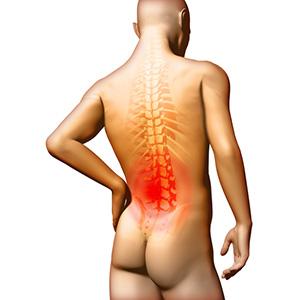
Flatback syndrome is a spinal alignment condition in which the normal inward curvature of the lumbar spine (lower back) is reduced or lost. The lumbar spine normally has a gentle curve called lumbar lordosis, which helps maintain proper balance and upright posture.
When this normal curve is lost, the spine may shift forward, causing the patient to lean forward when standing or walking. As a result, patients may experience difficulty standing upright, fatigue while walking, and chronic back pain.
Flatback syndrome often affects the overall balance of the spine and is considered a form of adult spinal deformity.
Normal Spinal Alignment
The human spine normally contains several natural curves that help maintain balance and distribute mechanical stress:
- Cervical lordosis (neck curve)
- Thoracic kyphosis (upper back curve)
- Lumbar lordosis (lower back curve)
These curves work together to allow the body to remain balanced with the head positioned over the pelvis.
When the lumbar curve becomes flattened or reversed, the spine loses its natural alignment. Patients may compensate by bending their hips and knees or leaning forward to maintain balance.
Causes of Flatback Syndrome
Flatback syndrome can develop from several different causes.
- Degenerative Changes: Age-related degeneration of the spinal discs and facet joints can gradually lead to loss of lumbar lordosis and progressive spinal imbalance.
- Previous Spinal Surgery: Flatback syndrome was historically more common after certain types of spinal fusion surgery performed for scoliosis using older instrumentation techniques.
Modern surgical techniques aim to better preserve or restore spinal alignment, but flatback may still develop following previous spinal operations. - Degenerative Disc Disease: Loss of disc height in the lumbar spine can gradually reduce lumbar lordosis and contribute to a forward-leaning posture.
- Vertebral Compression Fractures: Fractures of the vertebral bodies, often related to osteoporosis, can cause collapse of the spine and loss of normal curvature.
- Ankylosing Spondylitis: This inflammatory condition can lead to progressive spinal stiffness and loss of normal spinal curvature.
Symptoms of Flatback Syndrome
Symptoms usually develop gradually and often worsen over time.
Common symptoms include:
- Difficulty standing upright
- Forward leaning posture
- Chronic lower back pain
- Fatigue while standing or walking
- Difficulty walking long distances
- Tightness in the hips or hamstrings
Patients with flatback syndrome often feel more comfortable sitting or leaning forward, which temporarily restores spinal balance.
Diagnosis
Diagnosis begins with a detailed medical history and physical examination.
Your physician will evaluate:
- Overall spinal posture and alignment
- Ability to stand upright
- Walking pattern and balance
- Neurological function
Imaging studies are important to evaluate spinal alignment and determine the underlying cause.
Common diagnostic tests include:
- Standing full-length spine X-rays, which evaluate global spinal alignment
- MRI scans, which assess the spinal cord, nerves, and discs
- CT scans, which provide detailed images of bone structures
These studies help measure important spinal alignment parameters such as lumbar lordosis and sagittal balance.
Treatment
Treatment depends on the severity of the condition and the degree of spinal imbalance.
Non-Surgical Treatment
Many patients initially benefit from conservative treatments such as:
- Physical therapy to strengthen core and back muscles
- Postural training and flexibility exercises
- Anti-inflammatory medications
- Pain management treatments
- Activity modification
These approaches aim to reduce pain and improve posture, though they typically cannot correct significant structural deformity.
Surgical Treatment
Surgery may be recommended when:
- The deformity significantly affects daily activities
- Patients cannot stand upright comfortably
- Symptoms persist despite conservative treatment
- Severe spinal imbalance develops
Surgical treatment focuses on restoring normal spinal alignment and lumbar lordosis.
This often involves spinal realignment and fusion using rods and screws.
In more complex cases, surgeons may perform procedures such as:
Osteotomy
An osteotomy involves carefully cutting and reshaping part of the spinal bone so that the spine can be repositioned into a more natural alignment.
This procedure allows surgeons to restore spinal balance and correct forward leaning posture.
Corpectomy
A corpectomy may be performed if a vertebral body is severely collapsed or compressing the spinal cord. The damaged bone is removed and replaced with a structural implant to restore spinal height and alignment.
These procedures help restore the ability to stand upright and improve overall balance and mobility.
Summary
Flatback syndrome is a spinal alignment disorder in which the normal inward curvature of the lower spine is lost, leading to difficulty standing upright and progressive forward-leaning posture. The condition may develop due to degenerative changes, prior spinal surgery, compression fractures, or inflammatory spinal disorders. While many patients can initially be treated with physical therapy and conservative care, more severe cases may require surgical correction to restore spinal alignment and improve function and quality of life.