
What Is a Herniated Disc?
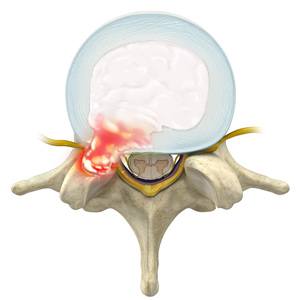
The spine is made up of bones called vertebrae that protect the spinal cord and nerves. Between each vertebra sits a soft cushion called an intervertebral disc, which acts as a shock absorber and allows the spine to move smoothly.
Each disc has two main parts:
- Nucleus pulposus – a soft, gel-like center
- Annulus fibrosus – a strong outer ring of fibrous tissue
A herniated disc occurs when the outer ring becomes damaged or weakened, allowing the inner gel-like material to protrude outward. When this occurs, the disc can press on nearby nerves or the spinal cord, causing pain and other symptoms. Herniated discs are sometimes referred to as slipped discs or ruptured discs.
Disc herniations may occur as a result of aging, repetitive strain, heavy lifting, smoking, injury, or excess body weight.
Symptoms of a Herniated Disc
The most common symptom is pain, which may range from mild discomfort to severe nerve pain.
Symptoms may include:
- Back or neck pain
- Pain radiating into the arms or legs
- Numbness or tingling
- Muscle weakness
A lumbar herniated disc often causes pain that radiates from the lower back into the buttock and down the leg (commonly called sciatica).
A cervical herniated disc may cause pain radiating from the neck into the shoulder and arm.
In rare cases, severe nerve compression may affect bowel or bladder function and requires urgent medical attention.
Diagnosis
An accurate diagnosis is essential for developing an effective treatment plan. Evaluation typically includes:
- Medical history and symptom review
- Physical examination to evaluate strength, reflexes, and sensation
- Imaging tests such as MRI, CT scan, or X-rays
These tests help determine the location of the disc herniation and whether a nerve is compressed.
Treatment Options
Many patients improve with non-surgical treatment, which may include:
- Anti-inflammatory medications
- Physical therapy
- Activity modification and posture improvement
- Epidural steroid injections
- Heat or cold therapy
Surgery may be recommended if symptoms persist despite conservative treatment or if significant nerve compression is present.
Minimally invasive procedures such as microdiscectomy or laminectomy may be performed to remove the portion of the disc pressing on the nerve. In select cases, disc replacement or spinal fusion may be considered.