
What is Back Pain?
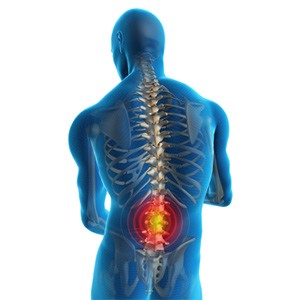
Back pain refers to discomfort or pain felt in the back that may originate from the muscles, nerves, bones, joints, or other structures of the spine. It is one of the most common medical conditions affecting adults.
Back pain can be classified as:
- Acute back pain – lasting a few days to several weeks
- Subacute back pain – lasting several weeks to a few months
- Chronic back pain – lasting longer than three months
Although most episodes of back pain improve with time, persistent or severe symptoms may require medical evaluation.
Incidence and Prevalence
Back pain is extremely common and represents a major public health concern.
- Up to 80% of adults experience back pain at some point in their lives.
- At any given time, 10–20% of adults are experiencing back pain.
- Back pain is the leading cause of disability worldwide.
- It is one of the most common reasons patients visit a doctor or miss work.
Because of its high prevalence, back pain affects people of nearly every age group and activity level.
Healthcare and Economic Impact
Back pain places a significant burden on healthcare systems and the economy.
- In the United States, back and neck pain account for over $100 billion annually in healthcare costs, lost productivity, and disability.
- Back pain is one of the most common reasons for physician visits, second only to upper respiratory infections in some studies.
- It is also a leading cause of work-related disability and missed workdays.
Because of these factors, early evaluation and appropriate management are important.
Characteristics of Back Pain
Back pain may present in several different ways.
It may occur as:
- A dull, constant ache
- A sharp or sudden pain
- Pain that worsens with movement
- Pain that improves with rest
Pain may be localized to one area of the back or may radiate to other parts of the body, including the buttocks, arms, or legs.
Related Symptoms
In some cases, back pain may be accompanied by additional symptoms such as:
- Numbness or tingling in the arms or legs
- Muscle weakness
- Pain radiating into the arms or legs (radiculopathy or sciatica)
- Stiffness or decreased mobility of the spine
These symptoms may occur when spinal nerves become irritated or compressed.
Risk Factors for Back Pain
Several factors can increase the risk of developing back pain, including:
- Repetitive heavy lifting
- Poor posture or body mechanics
- Sedentary lifestyle
- Smoking
- Obesity
- Aging and degenerative changes in the spine
Athletes may also be at higher risk due to increased stress placed on the spine during sports activities.
Sports such as football, gymnastics, skiing, basketball, running, golf, and tennis involve repetitive twisting, extension, and impact that can strain the back.
Causes of Back Pain
Back pain can result from many different conditions affecting the spine.
Common causes include:
- Musculoligamentous Strain: This is the most common cause of back pain and occurs when the muscles or ligaments supporting the spine are overstretched or injured.
- Herniated Disc: A herniated disc occurs when the inner portion of the disc protrudes through its outer layer and presses on nearby nerves.
- Degenerative Disc Disease: Age-related changes in the discs may cause disc degeneration, leading to pain and stiffness.
- Spinal Stenosis: Narrowing of the spinal canal can place pressure on the spinal cord or nerve roots.
- Spondylolysis: A stress fracture of the pars interarticularis that often occurs in young athletes.
- Spondylolisthesis: A condition in which one vertebra slips forward relative to the vertebra below it.
Other causes may include spinal deformities such as scoliosis or Scheuermann’s kyphosis.
Diagnosis of Back Pain
Diagnosis begins with a review of your symptoms and medical history followed by a physical examination.
Your physician may evaluate:
- Spinal alignment and posture
- Range of motion of the back
- Muscle strength and reflexes
- Signs of nerve irritation or compression
If necessary, imaging studies may be performed, including:
- X-rays
- MRI scans
- CT scans
These tests help identify structural problems within the spine that may be causing pain.
Treatment for Back Pain
In most cases, back pain can be treated with non-surgical methods.
Common treatments include:
- Anti-inflammatory medications (NSAIDs)
- Heat or cold therapy
- Activity modification
- Physical therapy
- Core strengthening exercises
Certain positions may also help reduce discomfort. For example:
- Placing a pillow between the knees while lying on your side
- Placing a pillow under the knees while lying on your back
These positions can reduce stress on the lower back.
When Surgery May Be Considered
Surgery is generally considered only when:
- Pain persists despite conservative treatment
- There is significant nerve compression
- Weakness, numbness, or neurological symptoms develop
The type of surgery depends on the underlying cause of the back pain.
Summary
Back pain is one of the most common medical conditions worldwide and a leading cause of disability. Although most cases improve with conservative treatment, persistent or severe symptoms may require medical evaluation.
Understanding the causes of back pain and seeking appropriate treatment can help restore mobility and improve quality of life.