
Relieving Nerve Pressure in the Lower Back
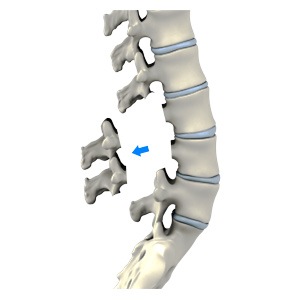
Lumbar laminectomy is a surgical procedure used to treat spinal stenosis (narrowing of the spinal canal) in the lower back. The goal of surgery is to relieve pressure on the nerves and improve symptoms such as leg pain, numbness, and difficulty walking.
It is one of the most common procedures performed to treat lumbar spinal stenosis, particularly in patients with leg symptoms that worsen with standing or walking.
Understanding the Problem
The lumbar spine (lower back) contains the spinal canal, which houses the nerves that travel to the legs.
Over time, age-related changes can narrow this space, including:
- Thickened ligaments
- Bone spurs (osteophytes)
- Bulging or degenerative discs
- Facet joint arthritis
This narrowing is called lumbar spinal stenosis.
When the nerves are compressed, patients may experience:
- Pain, heaviness, or cramping in the legs
- Numbness or tingling
- Weakness
- Difficulty walking or standing for long periods
- Relief when sitting or bending forward
This pattern of symptoms is often referred to as neurogenic claudication.
What Is a Lumbar Laminectomy?
Lumbar laminectomy is a procedure that:
- Removes a portion of bone called the lamina
- Creates more space in the spinal canal
- Relieves pressure on the nerves
In some cases, additional structures such as thickened ligaments or bone spurs are also removed to fully decompress the nerves.
The procedure may be performed using minimally invasive or traditional techniques, depending on the extent of stenosis.
When Is Lumbar Laminectomy Recommended?
Surgery may be recommended when:
- Symptoms significantly limit walking or daily activities
- Non-surgical treatments have not provided sufficient relief
- There is progressive weakness or neurological symptoms
- Imaging confirms spinal stenosis correlating with symptoms
Non-surgical treatments often include:
- Physical therapy
- Medications
- Activity modification
- Epidural steroid injections
Surgery is typically considered when symptoms are persistent and impact quality of life.
How the Procedure Is Performed
During lumbar laminectomy:
- An incision is made in the lower back
- The muscles are gently moved aside
- The lamina is partially removed
- Thickened ligament and bone spurs are removed
- The nerves are decompressed
The number of levels treated depends on the extent of stenosis.
Role of Fusion
In some cases, a lumbar fusion may be performed along with laminectomy.
Fusion may be recommended when there is:
- Spinal instability
- Spondylolisthesis (slippage of a vertebra)
- Significant removal of stabilizing structures
- Deformity
When the spine is stable, laminectomy alone is often sufficient.
Benefits of Lumbar Laminectomy
Potential benefits include:
- Relief of leg pain and pressure
- Improved ability to walk and stand
- Reduction in numbness and weakness
- Improved quality of life
Many patients experience significant improvement in function and mobility after surgery.
What the Evidence Shows (SPORT Trial)
Lumbar laminectomy has been extensively studied.
The SPORT (Spine Patient Outcomes Research Trial) demonstrated that patients with lumbar spinal stenosis who underwent surgery had:
- Greater improvement in pain and function
- Better walking ability
- Higher satisfaction
compared to non-surgical treatment, particularly in patients with significant symptoms.
While non-surgical care can help some patients, surgery often provides more substantial and durable improvement in appropriately selected individuals.
Recovery After Lumbar Laminectomy
Recovery varies depending on the number of levels treated and whether fusion is performed.
General expectations include:
- Same-day or next-day discharge in many cases
- Early walking after surgery
- Gradual return to activity
Typical timeline:
- Light activity: within days to weeks
- Return to work: often 2–6 weeks
- Full recovery: several weeks to months
Detailed recovery instructions and activity guidelines are provided separately based on your procedure.
Risks and Complications
As with any surgery, lumbar laminectomy carries potential risks, including:
- Infection
- Bleeding
- Nerve injury
- Dural tear (spinal fluid leak)
- Persistent or recurrent symptoms
- Need for additional surgery
Dr. Shlykov will discuss these risks and tailor the surgical plan to minimize complications.
Laminectomy vs Other Procedures
Depending on your condition, other surgical options may include:
- Microdiscectomy (for disc herniation)
- Laminectomy with fusion (if instability is present)
- Minimally invasive decompression techniques
The most appropriate procedure depends on your specific diagnosis and anatomy.
Summary
Lumbar laminectomy is an effective surgical procedure for relieving nerve compression caused by spinal stenosis in the lower back. By removing bone and soft tissue that narrow the spinal canal, the procedure improves symptoms such as leg pain, numbness, and difficulty walking. In appropriately selected patients, lumbar laminectomy provides significant improvement in function and quality of life.
Considering Lumbar Laminectomy?
If you are experiencing leg pain, numbness, or difficulty walking due to spinal stenosis, a consultation can help determine whether surgery is appropriate.
Dr. Shlykov will review your imaging and symptoms to develop a personalized treatment plan tailored to your goals.
Schedule a consultation or Second Opinion to learn more about options.