
A Minimally Invasive Solution for Sciatica and Herniated Discs
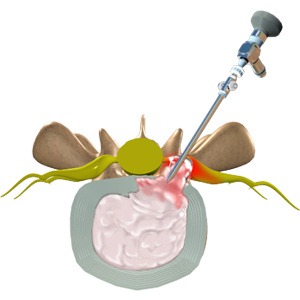
Lumbar microdiscectomy is a minimally invasive surgical procedure used to treat a herniated disc in the lower backthat is compressing a spinal nerve.
It is one of the most common and effective spine surgeries for relieving leg pain (sciatica) and helping patients return to normal activity.
Understanding the Problem
The lumbar spine (lower back) is made up of vertebrae separated by intervertebral discs that act as cushions and allow movement.
Each disc has:
- A soft inner core (nucleus pulposus)
- A tough outer ring (annulus fibrosus)
When the outer ring weakens or tears, the inner portion can protrude outward—this is called a herniated disc.
If the herniated disc presses on a nearby nerve, it can cause:
- Pain radiating down the leg (sciatica)
- Numbness or tingling
- Weakness in the leg or foot
- Difficulty standing, walking, or sitting
What Is Lumbar Microdiscectomy?
Lumbar microdiscectomy is a procedure that:
- Removes the portion of the disc pressing on the nerve
- Relieves nerve compression
- Preserves as much of the normal disc and surrounding structures as possible
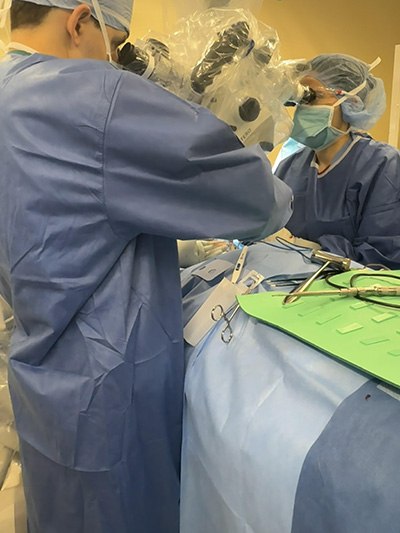
The surgery is performed through a small incision using specialized instruments and magnification, minimizing disruption to muscles and tissues.
When Is Microdiscectomy Recommended?
Surgery may be considered when:
- Leg pain (sciatica) is severe or persistent
- Symptoms do not improve with non-surgical treatment
- There is progressive weakness
- Imaging confirms a herniated disc correlating with symptoms
Non-surgical treatments often tried first include:
- Physical therapy
- Medications
- Activity modification
- Epidural steroid injections
Microdiscectomy is typically recommended when symptoms are function-limiting or not improving over time.
How the Procedure Is Performed
During lumbar microdiscectomy:
- A small incision is made in the lower back
- The muscles are gently separated (not cut)
- A small portion of bone or ligament may be removed to access the nerve
- The herniated portion of the disc is removed
- The nerve is decompressed
The procedure is typically performed under general anesthesia and often takes less than one hour.
Benefits of Microdiscectomy
Lumbar microdiscectomy is highly effective for treating nerve compression from a herniated disc.
Potential benefits include:
- Rapid relief of leg pain (often immediate or within days)
- Improvement in numbness and weakness
- Small incision and minimal tissue disruption
- Faster recovery compared to more extensive procedures
- Return to normal activities relatively quickly
What the Evidence Shows
Lumbar microdiscectomy has been extensively studied.
The SPORT (Spine Patient Outcomes Research Trial) demonstrated that patients undergoing surgery for lumbar disc herniation experienced:
- Faster relief of leg pain
- Greater improvement in function
- Higher satisfaction compared to non-operative care in the short to medium term
Both surgical and non-surgical treatments can be effective, but surgery often provides more rapid symptom relief, particularly for severe sciatica.
Recovery After Microdiscectomy
Recovery is typically rapid compared to other spine procedures.
General expectations include:
- Same-day discharge in many cases
- Walking within hours after surgery
- Significant improvement in leg pain early
Typical timeline:
- Light activity: within days
- Return to work: often 2–4 weeks (depending on job)
- Full activity: gradually over several weeks
Detailed recovery instructions and do’s and don’ts are provided separately based on your procedure.
Risks and Complications
As with any surgery, there are potential risks, including:
- Infection
- Bleeding
- Nerve injury
- Dural tear (spinal fluid leak)
- Recurrent disc herniation
- Persistent symptoms
Recurrent disc herniation can occur in a small percentage of patients and may require additional treatment.
Microdiscectomy vs Non-Surgical Treatment
Many patients improve without surgery, but:
- Non-surgical care may take longer to relieve symptoms
- Surgery is often preferred when pain is severe, persistent, or associated with weakness
The decision depends on:
- Symptom severity
- Duration of symptoms
- Functional limitations
- Patient preferences
Summary
Lumbar microdiscectomy is a minimally invasive and highly effective procedure for treating herniated discs causing sciatica. By removing the portion of the disc compressing the nerve, the procedure provides rapid pain relief and allows patients to return to normal activity. Careful patient selection and individualized treatment planning are key to achieving the best outcomes.
Considering Lumbar Microdiscectomy?
If you are experiencing persistent leg pain, numbness, or weakness from a herniated disc, a consultation can help determine whether surgery is appropriate.
Dr. Shlykov will review your imaging and symptoms to develop a personalized treatment plan tailored to your goals.
Schedule a consultation or Second Opinion to learn more about options.