

Cervical Anatomy
The cervical spine consists of the first seven vertebrae of the spinal column, labeled C1 through C7. These vertebrae form the neck and support the weight of the head while allowing a wide range of motion, including bending, turning, and rotation.
Compared with other parts of the spine, the neck is more flexible but also less protected, making it more susceptible to injury and degenerative changes. The cervical spine also contains the spinal cord and nerves that supply sensation and movement to the shoulders, arms, and hands.
What is Neck Pain?
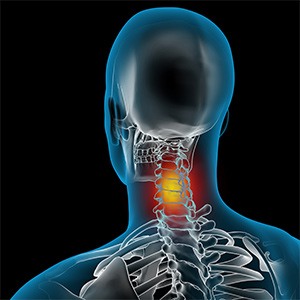
Neck pain refers to discomfort or stiffness in the cervical spine region. It is a common condition that can result from problems involving the muscles, ligaments, discs, joints, or nerves of the neck.
Neck pain frequently develops from muscle strain or tension related to everyday activities such as:
- Poor posture
- Prolonged computer or smartphone use
- Sleeping in an uncomfortable position
- Repetitive strain on the neck muscles
Neck pain may occur suddenly after an injury or develop gradually over time due to degenerative changes in the spine.
Incidence and Prevalence
Neck pain is one of the most common musculoskeletal complaints.
- Approximately 20–30% of adults experience neck pain each year.
- Up to 70% of people will experience neck pain at some point during their lifetime.
- Neck pain is among the leading causes of disability worldwide.
- It is also a frequent reason patients seek medical care from primary care physicians, orthopedists, and spine specialists.
The condition has become increasingly common with prolonged computer work, desk jobs, and smartphone use, sometimes referred to as “tech neck.”
Causes of Neck Pain
The most common cause of neck pain is injury or irritation of the soft tissues, including muscles, ligaments, and nerves. However, several spinal conditions can also contribute to neck pain.
Common causes include:
- Muscle Strain: Muscle strain often results from poor posture, prolonged sitting, or repetitive movements.
- Cervical Disc Herniation: A cervical disc herniation occurs when the soft center of a disc pushes through the outer layer and presses on nearby nerves. This may cause neck pain that radiates into the shoulder or arm.
- Cervical Spondylosis: Cervical spondylosis refers to age-related degeneration of the discs and joints in the neck. This condition can lead to neck stiffness and pain that may worsen over time.
- Cervical Spinal Stenosis: Spinal stenosis occurs when the spinal canal narrows and compresses the spinal cord or nerves. This may cause neck pain along with arm pain, numbness, or weakness.
- Degenerative Disc Disease: Degeneration of the cervical discs can reduce disc height and flexibility, resulting in neck pain and stiffness.
- Rheumatoid Arthritis: Rheumatoid arthritis is an autoimmune condition that can affect the joints of the upper cervical spine, causing inflammation, stiffness, and pain.
Other less common causes include infection, tumors, congenital abnormalities, or traumatic injuries.
Symptoms of Neck Pain
Symptoms can vary depending on the underlying cause. Common symptoms include:
- Neck pain or stiffness
- Reduced range of motion of the neck
- Pain radiating to the shoulders or arms
- Headaches originating from the neck
- Numbness or tingling in the arms or hands
- Muscle weakness in the arms
In more serious cases involving spinal cord compression, patients may develop balance problems, difficulty with coordination, or weakness in the arms or legs.
Diagnosis of Neck Pain
Diagnosis begins with a medical history and physical examination. During the examination, your physician will assess:
- Neck movement and flexibility
- Muscle strength and reflexes
- Areas of tenderness
- Signs of nerve or spinal cord compression
Additional diagnostic tests may include:
- X-rays
- MRI scans
- CT scans
- Electromyography (EMG) to evaluate nerve function
In certain cases, blood tests or bone density testing may be performed to evaluate for underlying medical conditions.
Treatment Options for Neck Pain
Most cases of neck pain improve with non-surgical treatment.
Non-Surgical Treatments
Common treatments include:
- Rest and activity modification
- Ice or heat therapy
- Anti-inflammatory medications
- Muscle relaxants
- Physical therapy and stretching exercises
Short-term use of a soft cervical collar may sometimes be recommended to support the neck while symptoms improve.
Strengthening and stretching exercises help improve posture, support the cervical spine, and prevent recurrence of symptoms.
Surgical Treatment
Surgery is generally considered only when non-surgical treatments fail to relieve symptoms or when significant nerve or spinal cord compression is present.
One of the most common procedures performed for cervical spine conditions is anterior cervical discectomy and fusion (ACDF). During this procedure, the damaged disc is removed to relieve pressure on the nerves or spinal cord, and the adjacent vertebrae are fused to stabilize the spine.
In selected patients, cervical disc replacement may also be considered to preserve motion at the affected spinal level.
Prevention of Neck Pain
Certain lifestyle and ergonomic practices may help prevent or reduce neck pain:
- Maintain good posture, especially when working at a computer
- Adjust computer monitors to eye level
- Take frequent breaks to stretch when sitting for long periods
- Use a supportive pillow that keeps the neck in a neutral position
- Perform regular neck stretching and strengthening exercises
- Use proper protective equipment such as seat belts and helmets to reduce injury risk
Summary
Neck pain is a very common condition that can result from muscle strain, degenerative changes in the cervical spine, or compression of spinal nerves. Although many cases improve with conservative treatment, persistent pain, neurological symptoms, or functional limitations may require medical evaluation. Understanding the causes of neck pain and seeking appropriate care can help relieve symptoms, restore normal movement, and prevent long-term problems with the cervical spine.