

What Is Posterior Cervical Laminectomy and Fusion?
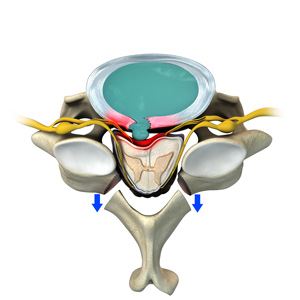
Posterior cervical laminectomy and fusion is a surgical procedure used to treat spinal cord and nerve compression in the neck. It is most commonly performed for conditions such as cervical spinal stenosis, cervical myelopathy, multilevel spinal cord compression, ossification of the posterior longitudinal ligament (OPLL), or cervical instability.
The procedure is performed through an incision in the back of the neck. During surgery, the laminae—the bony structures that form the roof of the spinal canal—are removed to create more space for the spinal cord. The spine is then stabilized with screws, rods, and bone graft to promote fusion and maintain alignment.
When Is Posterior Cervical Laminectomy and Fusion Recommended?
This procedure may be recommended when:
- There is multilevel cervical spinal stenosis
- The spinal cord is compressed over several levels
- Symptoms of cervical myelopathy are present, such as balance problems, hand clumsiness, weakness, or numbness
- There is cervical instability or deformity
- Compression is best addressed from the back of the neck
- A prior cervical surgery has failed or additional stabilization is required
In many patients, this procedure is used when the goal is to decompress the spinal cord and stabilize the cervical spine.
How the Procedure Is Performed
During posterior cervical laminectomy and fusion:
- An incision is made in the back of the neck
- The muscles are gently moved aside to expose the spine
- The laminae are removed to decompress the spinal cord
- If needed, additional decompression may be performed around the nerves
- Screws and rods are placed to stabilize the spine
- Bone graft is used to encourage the vertebrae to fuse together over time
The exact number of levels treated depends on the location and extent of spinal cord compression.
What Conditions Does It Treat?
Posterior cervical laminectomy and fusion is commonly used to treat:
- Cervical myelopathy
- Cervical spinal stenosis
- Multilevel spinal cord compression
- Cervical deformity or kyphosis
- Instability after trauma or degeneration
- Revision cervical spine surgery
This operation is especially useful when compression involves multiple levels or when fusion is needed for stability.
Potential Benefits
Potential benefits of posterior cervical laminectomy and fusion include:
- Relief of pressure on the spinal cord
- Prevention of further neurological decline
- Improvement in balance, hand function, and walking ability
- Stabilization of the cervical spine
- Correction or prevention of progressive deformity in selected patients
The primary goal of surgery is often to prevent worsening of neurological symptoms, though many patients also experience improvement in function after surgery.
Recovery After Surgery
Recovery varies depending on the number of levels treated and the patient’s overall health, but general expectations include:
- Hospital stay of 1–3 days in many cases
- Walking soon after surgery
- Gradual return to normal activity over several weeks
- Use of a cervical collar in selected cases
Some patients notice improvement in arm symptoms relatively quickly, while recovery of spinal cord-related symptoms such as balance or hand coordination may take longer.
Fusion occurs gradually over several months.
Risks and Complications
As with any spine surgery, posterior cervical laminectomy and fusion has potential risks, including:
- Infection
- Bleeding
- Nerve injury
- Spinal cord injury
- Persistent pain or stiffness
- Failure of fusion (pseudarthrosis)
- Hardware loosening or breakage
- C5 nerve palsy, which can cause temporary shoulder weakness
- Adjacent segment degeneration over time
Dr. Shlykov will review these risks in detail and discuss the safest and most appropriate treatment approach for your condition.
Posterior Cervical Laminectomy and Fusion vs Other Cervical Procedures
Depending on the location and cause of cervical compression, other options may include:
- Anterior cervical discectomy and fusion (ACDF)
- Cervical disc replacement
- Posterior cervical foraminotomy
- Cervical laminoplasty
Posterior cervical laminectomy and fusion is generally favored when there is multilevel compression, instability, deformity, or a need for robust posterior decompression and stabilization.
Summary
Posterior cervical laminectomy and fusion is a well-established procedure used to treat spinal cord compression, cervical stenosis, and instability in the neck. By decompressing the spinal cord and stabilizing the spine, the procedure can help prevent further neurological decline and improve function in appropriately selected patients. It is particularly useful for multilevel cervical disease and conditions requiring both decompression and fusion.
Considering Posterior Cervical Surgery?
If you have been diagnosed with cervical spinal stenosis, myelopathy, or multilevel spinal cord compression, a consultation can help determine whether posterior cervical laminectomy and fusion is the right treatment option.
Schedule a consultation or Second Opinion to learn more about your options.