

Addressing Persistent Symptoms After Prior Spine Surgery
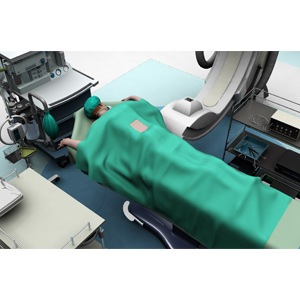
Revision spine surgery is performed in patients who continue to experience pain, neurological symptoms, or functional limitations after a previous spine procedure.
While most spine surgeries are successful, some patients may develop recurrent symptoms, incomplete relief, or new problems over time. Revision surgery is designed to identify and treat the underlying cause and improve overall outcomes.
Why Do Patients Need Revision Spine Surgery?
There are several reasons why symptoms may persist or return after spine surgery.
Common causes include:
- Recurrent disc herniation
- Residual or recurrent nerve compression
- Scar tissue formation (epidural fibrosis)
- Failure of fusion (pseudarthrosis)
- Hardware complications (loosening or breakage)
- Adjacent segment degeneration
- Spinal instability
- Spinal deformity (including flatback syndrome)
- Infection
In some cases, symptoms may persist because the original source of pain was not fully addressed, or new issues develop over time.
What Is Failed Back Surgery Syndrome?
“Failed back surgery syndrome” (FBSS) is a general term used to describe persistent or recurrent pain after spine surgery.
It is important to understand that:
- FBSS is not a single diagnosis, but a description of symptoms
- Identifying the specific cause of pain is critical before considering further treatment
A thorough evaluation is essential to determine whether revision surgery is appropriate.
When Is Revision Surgery Recommended?
Revision spine surgery may be considered when:
- Symptoms are persistent or worsening after prior surgery
- Imaging identifies a clear structural cause
- There is nerve compression or instability
- Non-surgical treatments have not provided relief
- There is progressive neurological deficit
Not all patients with persistent pain require surgery—careful evaluation is key.
Goals of Revision Spine Surgery
The goals of revision surgery include:
- Relieving nerve or spinal cord compression
- Stabilizing the spine
- Correcting deformity or alignment
- Addressing failed fusion or hardware issues
- Improving pain and function
Because revision cases are often more complex, goals are tailored to each patient’s condition.
How Revision Spine Surgery Is Performed
Revision surgery varies depending on the underlying problem and prior procedures.
Common revision procedures include:
- Repeat decompression (laminectomy, foraminotomy)
- Revision microdiscectomy for recurrent disc herniation
- Spinal fusion to address instability or pseudarthrosis
- Hardware removal or replacement
- Deformity correction procedures
In some cases, both anterior (front) and posterior (back) approaches may be used to fully address the problem and restore alignment.
Minimally Invasive vs Open Revision Surgery
In selected cases, revision surgery can be performed using minimally invasive techniques, which may:
- Reduce muscle disruption
- Decrease blood loss
- Support faster recovery
However, many revision procedures—especially those involving deformity or complex reconstruction—require open surgery to safely and effectively address the problem.
Challenges of Revision Spine Surgery
Revision spine surgery is often more complex than initial surgery due to:
- Scar tissue around nerves
- Altered anatomy
- Prior implants or hardware
- Reduced bone quality in some cases
For these reasons, careful planning and surgical expertise are especially important.
What the Evidence Shows
Outcomes after revision spine surgery vary depending on the underlying cause.
In general:
- Patients with a clearly identified structural problem tend to have better outcomes
- Addressing instability or nerve compression can significantly improve symptoms
- Outcomes are less predictable when pain is not linked to a specific anatomical cause
A thorough diagnostic workup is critical to improving success rates.
Recovery After Revision Surgery
Recovery depends on the type and complexity of the procedure.
General expectations include:
- Hospital stay ranging from outpatient to several days
- Early mobilization after surgery
- Gradual return to activity
Recovery timeline:
- Initial recovery: weeks
- Functional recovery: months
- Full recovery: varies by procedure
Detailed recovery plans are tailored to your specific surgery.
Risks and Complications
Revision spine surgery carries higher complexity and may involve increased risk compared to primary surgery.
Potential risks include:
- Infection
- Bleeding
- Nerve injury
- Dural tear (spinal fluid leak)
- Persistent or recurrent symptoms
- Failure of fusion
- Need for additional surgery
Dr. Shlykov carefully evaluates risks and develops a personalized surgical plan to optimize outcomes.
Non-Surgical Options
Not all patients with prior spine surgery require revision surgery.
Alternative treatments may include:
- Physical therapy
- Medications
- Spinal injections
- Neuromodulation (such as spinal cord stimulation)
These options are often considered before proceeding with revision surgery.
Summary
Revision spine surgery is performed to address persistent or recurrent symptoms following prior spine procedures. Common causes include recurrent disc herniation, nerve compression, instability, and failure of fusion. Because revision cases are often more complex, careful diagnosis and individualized treatment planning are essential. When a clear structural problem is identified, revision surgery can provide meaningful improvement in pain and function.
Considering Revision Spine Surgery?
If you continue to experience pain or symptoms after prior spine surgery, a detailed evaluation can help determine the underlying cause and the best treatment approach.
Dr. Shlykov will review your prior imaging, surgical history, and current symptoms to develop a personalized plan tailored to your needs.
Schedule a consultation or second opinion to explore your options.