
Restoring Alignment, Balance, and Quality of Life
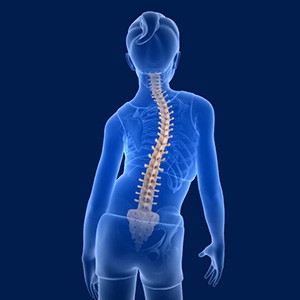
Scoliosis and spine deformity surgery is performed to correct abnormal curvature of the spine, restore alignment, and improve function and quality of life.
Spinal deformity can affect both children and adults, and may involve complex changes in spinal alignment that impact posture, mobility, and, in some cases, nerve function.
Surgery is typically considered when deformity is progressive, symptomatic, or significantly affecting daily life.
Understanding Spinal Deformity
The spine normally has gentle curves that help maintain balance and absorb stress.
Spinal deformity occurs when these curves become abnormal in magnitude or direction, including:
- Scoliosis – side-to-side curvature
- Kyphosis – excessive forward curvature
- Loss of normal lordosis (flatback)
- Combined or complex deformities
These changes can lead to imbalance, pain, and functional limitations.
Types of Scoliosis and Deformity
Spinal deformity can occur for many reasons:
Adolescent Idiopathic Scoliosis
- Develops during growth in adolescence
- Often without a known cause
- May progress during growth spurts
Adult Idiopathic Scoliosis
- Progression of scoliosis that began earlier in life
- May worsen over time with aging
Degenerative (Adult-Onset) Scoliosis
- Develops due to disc degeneration and arthritis
- Common in adults
- Often associated with spinal stenosis and nerve compression
Other Causes of Spinal Deformity
- Congenital spine abnormalities
- Neuromuscular conditions
- Trauma or prior surgery
- Vertebral fractures (especially osteoporosis-related)
Symptoms of Spinal Deformity
Symptoms depend on the severity and type of deformity.
Common symptoms include:
- Back pain or fatigue
- Visible curvature or imbalance
- Uneven shoulders or hips
- Difficulty standing upright
- Leg pain, numbness, or weakness (if nerves are involved)
- Reduced ability to walk or perform daily activities
In severe cases, deformity can significantly impact mobility and overall quality of life.
When Is Surgery Recommended?
Surgery may be considered when:
- The deformity is progressive
- Pain is severe or limiting daily activities
- There is nerve compression causing symptoms
- There is significant imbalance or difficulty standing upright
- Non-surgical treatments have failed
The decision is individualized based on symptoms, imaging, and patient goals.
Goals of Deformity Surgery
The goals of surgery include:
- Restoring spinal alignment and balance
- Relieving nerve compression
- Stabilizing the spine
- Improving posture and function
- Preventing progression of deformity
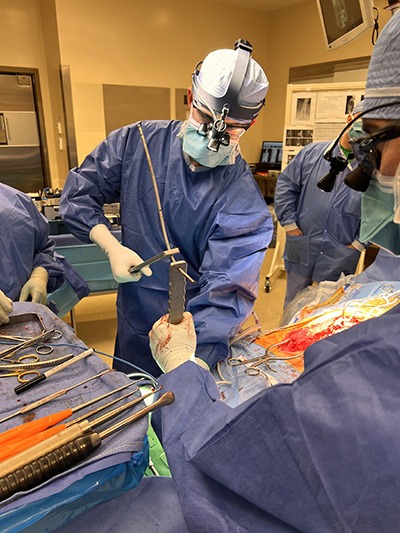
How Deformity Surgery Is Performed
Scoliosis and deformity surgery typically involves:
- Spinal realignment
- Spinal fusion using screws and rods
- Placement of bone graft to promote fusion
In more complex cases, additional techniques may be required to correct alignment.
Advanced Techniques (Explained Simply)
In some patients, more powerful correction techniques are needed:
Osteotomy
- A controlled cut in the bone
- Allows the spine to be realigned into a better position
- Used for more rigid or severe deformities
Corpectomy
- Removal of part or all of a vertebral body
- Used when deformity or compression involves the front of the spine
These techniques allow for precise correction of spinal alignment when standard methods are not sufficient.
Role of Minimally Invasive Techniques
In selected patients, minimally invasive approaches may be used as part of deformity correction.
These techniques can:
- Reduce muscle disruption
- Decrease blood loss
- Support faster recovery
However, many deformity surgeries still require open techniques to achieve proper correction.
What the Evidence Shows (ASLS Data – Simplified)
The Adult Symptomatic Lumbar Scoliosis (ASLS) study is one of the most important studies on adult deformity surgery.
Key findings:
- Patients undergoing surgery had significantly greater improvement in pain, function, and quality of lifecompared to non-surgical treatment
- Improvements were sustained over time
- Surgery carries higher upfront risk but provides meaningful long-term benefit in appropriately selected patients
Recovery After Deformity Surgery
Recovery depends on the extent of surgery.
General expectations include:
- Hospital stay of several days
- Early mobilization with assistance
- Gradual return to activity
Recovery timeline:
- Early recovery: weeks
- Functional recovery: months
- Full recovery and fusion: up to a year
Detailed recovery guidelines are tailored to your specific procedure.
Risks and Complications
Spinal deformity surgery is complex and carries risks, including:
- Infection
- Bleeding
- Nerve injury
- Failure of fusion (pseudarthrosis)
- Hardware complications
- Adjacent segment changes
- Need for additional surgery
Careful planning and patient selection are critical to minimizing risks.
Summary
Scoliosis and spine deformity surgery is performed to restore alignment, improve function, and enhance quality of life in patients with abnormal spinal curvature. Modern surgical techniques allow for correction of even complex deformities, often resulting in significant improvement in pain and mobility. While surgery is not necessary for all patients, it can provide meaningful and lasting benefit when symptoms are severe or progressive.
Considering Spine Deformity Surgery?
If you have been diagnosed with scoliosis or another spinal deformity, a consultation can help determine whether surgery is appropriate.
Dr. Shlykov will review your imaging and develop a personalized treatment plan tailored to your condition and goals.
Schedule a consultation or Second Opinion to learn more about options.