
What Is a Spinal Cord Injury?
A spinal cord injury (SCI) occurs when damage to the spinal cord disrupts the normal transmission of signals between the brain and the body. The spinal cord controls movement, sensation, and many essential bodily functions, so injury can have significant and sometimes permanent effects.
Spinal cord injuries may result from trauma, such as accidents or falls, or from non-traumatic causes such as tumors, infections, or degenerative spinal conditions.
The severity of a spinal cord injury depends on the level of the spine involved and the extent of damage to the spinal cord.
Anatomy of the Spinal Cord
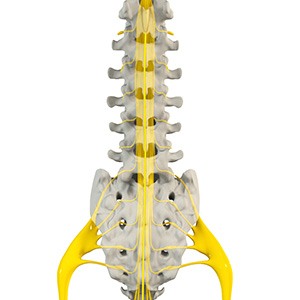
The spinal cord runs from the base of the brain through the spinal canal and is protected by the vertebrae.
It is divided into regions:
- Cervical spine (neck) – controls the arms, hands, and diaphragm
- Thoracic spine (mid-back) – controls the chest and trunk
- Lumbar spine (lower back) – controls the legs
- Sacral region – controls bowel, bladder, and sexual function
Injury at higher levels of the spine typically results in more severe functional impairment.
Causes of Spinal Cord Injury
Spinal cord injuries may be caused by a variety of conditions.
Traumatic Causes
The most common causes include:
- Motor vehicle accidents
- Falls
- Sports injuries
- Diving accidents
- Violence (such as gunshot wounds)
Non-Traumatic Causes
Spinal cord injury may also occur due to:
- Spinal tumors
- Spinal infections
- Severe spinal stenosis
- Degenerative spinal conditions
- Vascular disorders affecting the spinal cord
Patients with underlying spinal conditions such as cervical stenosis or myelopathy may be at higher risk of spinal cord injury even with relatively minor trauma.
Types of Spinal Cord Injury
Spinal cord injuries are typically classified based on severity.
Complete Injury
A complete spinal cord injury results in total loss of movement and sensation below the level of injury.
Incomplete Injury
An incomplete spinal cord injury means that some degree of movement or sensation remains below the level of injury.
Several characteristic patterns of incomplete injury may occur.
Central Cord Syndrome
Central cord syndrome is the most common type of incomplete spinal cord injury, particularly in older adults.
It often occurs after a fall or minor trauma in patients with pre-existing cervical spinal stenosis, where the spinal cord is already narrowed.
In central cord syndrome:
- Weakness is typically greater in the arms than in the legs
- Hand function may be significantly affected
- Sensation changes may be present
- Bladder dysfunction can occur in more severe cases
This pattern occurs because the central portion of the spinal cord—which controls the arms—is more vulnerable to injury.
Many patients experience gradual improvement over time, particularly in leg function, although recovery of hand function may be slower and sometimes incomplete.
Treatment may include initial observation and rehabilitation, while some patients benefit from surgical decompression of the spinal cord, especially if there is ongoing compression.
Symptoms of Spinal Cord Injury
Symptoms depend on the level and severity of the injury.
Common symptoms include:
- Loss of movement (paralysis)
- Loss of sensation
- Weakness in the arms or legs
- Difficulty walking
- Loss of bladder or bowel control
- Changes in sexual function
In high cervical injuries, patients may experience:
- Difficulty breathing
- Need for ventilatory support
Symptoms may occur immediately after injury or worsen over time due to swelling or ongoing compression.
Spinal Shock and Secondary Injury
After an initial spinal cord injury, patients may experience a temporary condition called spinal shock, in which reflexes and movement are temporarily lost below the level of injury.
In addition to the initial injury, a secondary injury process may occur due to swelling, inflammation, or reduced blood flow to the spinal cord. Early treatment aims to minimize this secondary damage.
Diagnosis
Diagnosis begins with urgent medical evaluation.
Your physician will assess:
- Neurological function
- Muscle strength and sensation
- Reflexes
- Level of spinal cord involvement
Imaging studies are essential for diagnosis.
Common tests include:
- MRI scans, which evaluate the spinal cord and soft tissues
- CT scans, which assess bone injuries
- X-rays, which may identify fractures or instability
These studies help determine the extent of injury and need for urgent treatment.
Treatment
Spinal cord injury is a medical emergency that requires prompt evaluation and treatment.
Emergency Management
Initial treatment focuses on:
- Stabilizing the spine
- Preventing further injury
- Maintaining blood flow and oxygen delivery to the spinal cord
Patients are typically immobilized and transported to a specialized center.
Non-Surgical Treatment
Some spinal cord injuries may be managed without surgery if the spine is stable and there is no ongoing compression.
Non-surgical management may include:
- Immobilization with braces
- Close neurological monitoring
- Rehabilitation and physical therapy
Surgical Treatment
Surgery may be required when:
- The spinal cord is compressed
- There is spinal instability
- Bone fragments or disc material are pressing on the spinal cord
Surgical treatment may involve:
- Decompression: Removing bone, disc material, or other structures compressing the spinal cord.
- Stabilization: Using screws and rods to stabilize the spine and prevent further injury.
Early surgical treatment may improve outcomes in selected patients by relieving pressure on the spinal cord.
Rehabilitation and Recovery
Recovery after spinal cord injury varies widely depending on the severity and level of injury.
Rehabilitation is a critical component of treatment and may include:
- Physical therapy to improve strength and mobility
- Occupational therapy to assist with daily activities
- Assistive devices and adaptive technologies
Patients with incomplete injuries, including central cord syndrome, often experience meaningful recovery over time, particularly with structured rehabilitation.
Prognosis
The degree of recovery depends on:
- Severity of the injury
- Level of the spinal cord affected
- Time to treatment
- Overall health of the patient
While some spinal cord injuries result in permanent impairment, advances in treatment and rehabilitation continue to improve outcomes.
Summary
A spinal cord injury is a serious condition that disrupts communication between the brain and the body, affecting movement, sensation, and essential bodily functions. Injuries may be complete or incomplete, with central cord syndrome being the most common incomplete pattern, often affecting arm function more than leg function. Prompt diagnosis and treatment are critical to prevent further damage. Management may include stabilization, surgical decompression, and comprehensive rehabilitation. While recovery varies, many patients—particularly those with incomplete injuries—can achieve meaningful improvements in function and quality of life.