
What Is Spinal Stenosis?
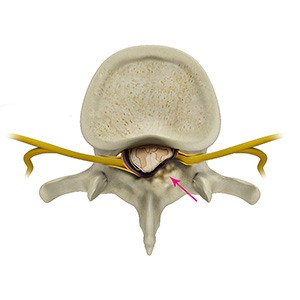
Spinal stenosis occurs when the spaces within the spine narrow, placing pressure on the spinal cord or spinal nerves.
This narrowing may occur in:
- The central spinal canal (central stenosis)
- The neural foramina, where nerves exit the spine (foraminal stenosis)
Spinal stenosis most commonly affects the lumbar spine (lower back) and cervical spine (neck). Lumbar spinal stenosis is particularly common in older adults and is one of the most frequent reasons people develop leg pain or difficulty walking.
Causes of Spinal Stenosis
Spinal stenosis is most often caused by age-related degeneration of the spine, but several conditions may contribute.
Common causes include:
- Degenerative arthritis (osteoarthritis)
- Thickening of spinal ligaments
- Herniated discs
- Bone spurs (osteophytes)
- Spondylolisthesis
- Congenital narrowing of the spinal canal
- Tumors or spinal trauma
Over time, these structural changes may narrow the spinal canal or nerve openings, leading to compression of the spinal cord or nerve roots.
Symptoms
Symptoms of spinal stenosis often develop gradually over time and may worsen with activity.
Common symptoms include:
- Lower back pain
- Leg pain, heaviness, or cramping while walking
- Numbness or tingling in the legs
- Muscle weakness
- Difficulty standing or walking for long periods
- Balance problems or gait disturbances
Many patients experience relief when sitting or bending forward, which temporarily increases the space available for the nerves.
This pattern of leg pain that worsens with walking and improves with rest is often referred to as neurogenic claudication.
Diagnosis
Diagnosis typically begins with a review of symptoms and medical history followed by a physical and neurological examination.
Your physician may evaluate:
- Strength and reflexes
- Sensation in the legs or arms
- Walking ability and balance
- Spinal mobility
Imaging studies are commonly used to confirm the diagnosis and determine the severity of stenosis. These may include:
- X-rays
- MRI scans
- CT scans
These studies help identify narrowing of the spinal canal, disc degeneration, bone spurs, or nerve compression.
Treatment
Treatment depends on the severity of symptoms and how much they affect daily activities.
Non-Surgical Treatment
Many patients initially try conservative treatments such as:
- Anti-inflammatory medications
- Activity modification
- Physical therapy
- Epidural steroid injections
- Heat or cold therapy
These treatments aim to reduce inflammation, improve mobility, and relieve nerve irritation.
Outcomes of Non-Surgical Treatment
Research shows that many patients experience some improvement with conservative treatment, particularly early in the condition. However, symptoms may persist or gradually worsen over time as degenerative changes progress.
One of the most important studies evaluating treatment options for lumbar spinal stenosis is the Spine Patient Outcomes Research Trial (SPORT).
Key findings from the SPORT trial include:
- Patients treated without surgery often experienced modest improvement, but symptoms frequently persisted.
- Patients who underwent surgical decompression experienced greater improvement in pain, physical function, and walking ability.
- These improvements were sustained for several years following surgery.
In simplified terms, the study showed that surgery provided faster and greater symptom relief for many patients with significant spinal stenosis, although some patients may still manage their symptoms successfully without surgery.
Surgical Treatment
Surgery may be recommended when:
- Symptoms significantly limit walking or daily activities
- Non-surgical treatments fail to provide adequate relief
- Progressive neurological symptoms develop
The goal of surgery is to relieve pressure on the spinal cord or nerve roots.
Common surgical procedures include:
Spinal Decompression Surgery
A procedure called laminectomy removes portions of bone or thickened tissue that are compressing the nerves, creating more space within the spinal canal.
Decompression with Spinal Fusion
If spinal instability or significant spondylolisthesis is present, decompression may be combined with spinal fusion to stabilize the spine. Surgical treatment for spinal stenosis has been shown to improve walking ability, leg pain, and quality of life in appropriately selected patients.
Summary
Spinal stenosis occurs when narrowing of the spinal canal compresses the spinal cord or nerves, often causing back pain, leg pain, numbness, and difficulty walking. The condition most commonly develops as part of the natural aging process. Many patients initially improve with conservative treatment, but persistent or progressive symptoms may require surgical decompression to relieve nerve pressure and restore mobility.