

What Are Spinal Tumors?
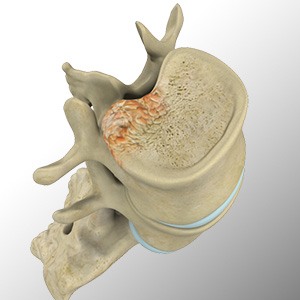
A spinal tumor is an abnormal growth of cells that develops within or around the spine. These tumors may occur in the vertebrae (spinal bones), the spinal cord, or the surrounding tissues and nerves.
Spinal tumors can be benign (non-cancerous) or malignant (cancerous). Some tumors originate in the spine itself, while others spread to the spine from cancers elsewhere in the body.
Although spinal tumors are relatively uncommon compared with other spinal conditions, they can sometimes cause pain, neurological symptoms, or spinal instability if they compress the spinal cord or nerves.
Types of Spinal Tumors
Spinal tumors are generally classified based on where they originate.
Primary Spinal Tumors
Primary spinal tumors originate in the spine itself. These tumors may develop in the vertebrae, spinal cord, or surrounding structures.
Examples of primary spinal tumors include:
- Osteoid osteoma
- Osteoblastoma
- Hemangioma
- Giant cell tumor
- Chordoma
- Meningioma
- Schwannoma or neurofibroma
Some of these tumors are benign, while others may behave more aggressively.
Metastatic Spinal Tumors
Metastatic tumors are cancers that spread to the spine from another part of the body. These are the most common type of spinal tumor.
Cancers that commonly spread to the spine include:
- Breast cancer
- Lung cancer
- Prostate cancer
- Kidney cancer
- Thyroid cancer
- Multiple myeloma
Because the spine contains a rich blood supply, it is one of the most common sites where cancer may spread to bone.
Location of Spinal Tumors
Spinal tumors may also be classified by their location relative to the spinal cord.
Extradural Tumors
These tumors occur outside the covering of the spinal cord and most often involve the vertebral bones. Metastatic tumors commonly fall into this category.
Intradural Extramedullary Tumors
These tumors develop inside the protective covering of the spinal cord but outside the spinal cord itself. Examples include meningiomas and nerve sheath tumors.
Intramedullary Tumors
These tumors arise within the spinal cord itself, such as astrocytomas or ependymomas.
Symptoms of Spinal Tumors
Symptoms depend on the size and location of the tumor and whether the spinal cord or nerves are affected.
Common symptoms include:
- Persistent back or neck pain
- Pain that worsens at night or while resting
- Pain that radiates into the arms or legs
- Weakness in the arms or legs
- Numbness or tingling
- Difficulty walking or maintaining balance
In more advanced cases, compression of the spinal cord may cause:
- Loss of coordination
- Progressive weakness
- Difficulty with bladder or bowel control
Back pain caused by spinal tumors is often persistent and not related to physical activity.
Diagnosis
Diagnosis begins with a detailed medical history and physical examination.
Your physician will evaluate:
- Pain characteristics
- Neurological function
- Muscle strength and reflexes
- Walking pattern and coordination
Imaging studies are critical for identifying spinal tumors.
Common diagnostic tests include:
- MRI scans, which provide detailed images of the spinal cord and soft tissues
- CT scans, which evaluate bone structures
- X-rays, which may detect bone destruction or collapse
- Bone scans or PET scans, which may identify cancer spread
In some cases, a biopsy may be required to determine the exact type of tumor.
Treatment
Treatment depends on several factors, including:
- Type of tumor
- Location of the tumor
- Presence of spinal cord compression
- Patient’s overall health
- Whether the tumor is benign or malignant
Treatment often involves a multidisciplinary approach, including spine surgeons, oncologists, and radiation specialists.
Non-Surgical Treatment
Some spinal tumors can be treated with non-surgical approaches such as:
- Radiation therapy
- Chemotherapy
- Targeted cancer therapies
- Pain management medications
These treatments may help control tumor growth and relieve symptoms.
Surgical Treatment
Surgery may be recommended when:
- The tumor compresses the spinal cord or nerves
- The spine becomes unstable due to bone destruction
- A biopsy is required to establish diagnosis
- Tumor removal may improve neurological function or relieve pain
Surgical treatment may involve:
- Tumor Removal: The surgeon may remove all or part of the tumor to relieve pressure on the spinal cord or nerves.
- Spinal Decompression: Decompression procedures remove bone or tumor tissue pressing on the spinal cord or nerve roots.
- Spinal Stabilization: If the tumor weakens the vertebrae, the spine may require stabilization using rods, screws, and spinal fusion.
- Corpectomy: In some cases, the affected vertebral body must be removed in a procedure called a corpectomy. The removed bone is replaced with a spacer or cage to restore spinal stability and alignment.
Summary
Spinal tumors are abnormal growths that develop in or around the spine and may be benign or cancerous. Some tumors originate in the spine, while others spread from cancers elsewhere in the body. Symptoms may include persistent back pain, neurological changes, or weakness if the spinal cord or nerves are compressed. Diagnosis typically involves advanced imaging such as MRI scans. Treatment depends on the type and location of the tumor and may include surgery, radiation therapy, chemotherapy, or a combination of treatments aimed at relieving symptoms, protecting neurological function, and stabilizing the spine.