
What is Spondylolisthesis?
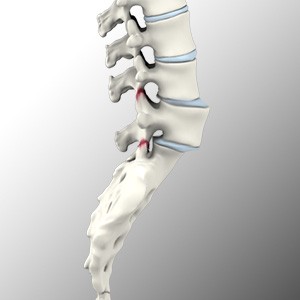
Spondylolisthesis is a condition in which one vertebra slips forward or backward relative to the vertebra below it. Forward displacement is called anterolisthesis, while backward displacement is called retrolisthesis.
This condition most commonly occurs in the lumbar spine (lower back). In many cases, spondylolisthesis develops as a result of spondylolysis, a stress fracture of the pars interarticularis that weakens the stability of the vertebra.
Spondylolisthesis is relatively common and is estimated to occur in 5–10% of the general population. However, many individuals have mild forms that do not cause symptoms.
Types of Spondylolisthesis
Spondylolisthesis can be classified based on the underlying cause.
- Dysplastic (Congenital) Spondylolisthesis: This form occurs due to abnormal development of the vertebra or facet joints present at birth, which allows a vertebra to slip forward.
- Isthmic Spondylolisthesis: This type results from a defect or stress fracture in the pars interarticularis and is more common in younger individuals and athletes.
- Degenerative Spondylolisthesis: Degenerative spondylolisthesis occurs due to age-related wear and tear of the discs and facet joints, which can lead to gradual instability of the spine.
- Traumatic Spondylolisthesis: This occurs following an injury or fracture that disrupts the normal structure of the vertebra.
- Pathologic Spondylolisthesis: This type develops when the vertebra becomes weakened by diseases such as tumors, infections, or metabolic bone disorders.
Spinal Instability:
In some cases, spondylolisthesis may cause spinal instability, meaning the vertebra moves abnormally relative to the adjacent vertebra. Instability may lead to persistent pain, progressive slippage, or compression of nearby nerves.
Signs of spinal instability may include:
- Worsening back pain with movement
- Difficulty standing or walking for prolonged periods
- Progressive vertebral slippage seen on imaging
- Nerve compression causing leg pain, numbness, or weakness
When instability is present, additional stabilization procedures such as spinal fusion may be recommended.
Symptoms of Spondylolisthesis
Some individuals with mild spondylolisthesis may have no symptoms. When symptoms occur, they may include:
- Lower back pain
- Stiffness in the back
- Tight hamstring muscles
- Pain in the buttocks or thighs
- Reduced range of motion of the lower back
If nerve compression occurs, additional symptoms may include:
- Pain radiating down the leg (sciatica)
- Numbness or tingling in the legs
- Weakness in the legs
In rare cases of severe nerve compression, patients may experience loss of bowel or bladder control, which requires urgent medical attention.
Grading of Spondylolisthesis
The severity of spondylolisthesis is classified based on the percentage of vertebral slippage.
- Grade I: 0–25% slippage
- Grade II: 25–50% slippage
- Grade III: 51–75% slippage
- Grade IV: 75–100% slippage
Higher grades are more likely to cause spinal instability and neurological symptoms.
Diagnosis of Spondylolisthesis
Diagnosis begins with a medical history and physical examination. Your physician will assess posture, spinal motion, and neurological function.
Imaging studies are often used to confirm the diagnosis and determine the severity of the condition. These may include:
- X-rays
- MRI scans
- CT scans
These tests help evaluate vertebral alignment, nerve compression, and spinal stability.
Treatment for Spondylolisthesis
Treatment depends on the severity of symptoms and the degree of spinal instability.
Non-Surgical Treatment
Many patients improve with conservative treatment, which may include:
- Anti-inflammatory medications
- Activity modification
- Physical therapy to strengthen the core and back muscles
- Bracing in selected cases
These treatments aim to reduce pain and improve spinal stability.
Surgical Treatment
Surgery may be recommended if symptoms persist despite conservative treatment, or if significant nerve compression or spinal instability is present.
Decompression Surgery
In some patients—particularly those with nerve compression but minimal spinal instability—a procedure called spinal decompression may be performed. This surgery removes bone or thickened tissue that is compressing the nerves, helping relieve leg pain and neurological symptoms.
Decompression with Spinal Fusion
If significant vertebral slippage or spinal instability is present, spinal fusion may be recommended in addition to decompression. Fusion stabilizes the affected spinal segment by joining two adjacent vertebrae together using bone grafts and surgical implants such as screws and rods.
Your surgeon will determine the most appropriate treatment approach based on the severity of the condition, symptoms, and spinal stability.
Summary
Spondylolisthesis occurs when one vertebra slips relative to another vertebra, which may lead to back pain, nerve compression, or spinal instability. Although some cases cause few symptoms, others may require medical or surgical treatment.
Early evaluation and appropriate treatment can help relieve symptoms, restore function, and prevent progression of the condition.